How PET Preforms Fit Into the Production of Recyclable Water Bottles
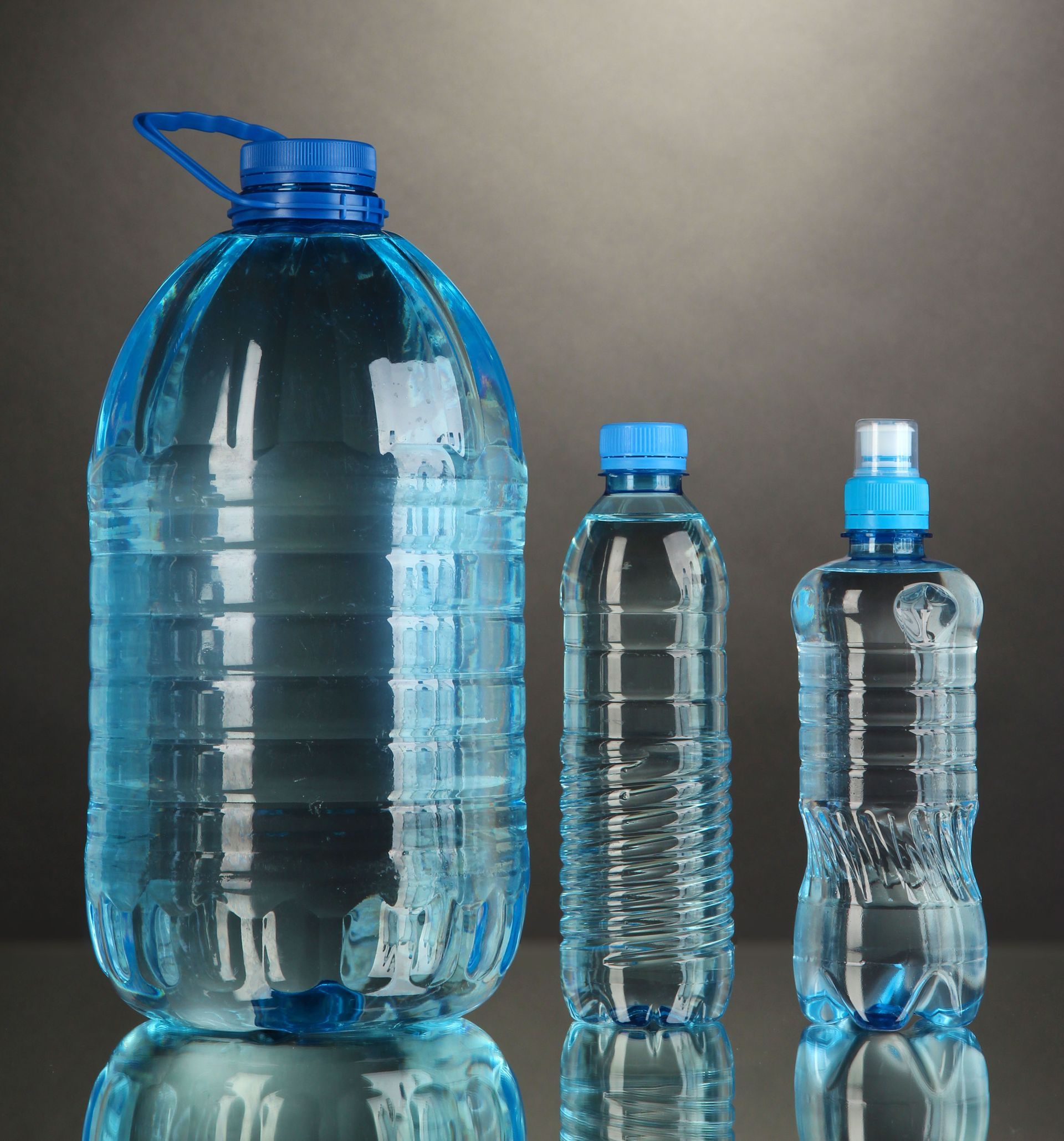
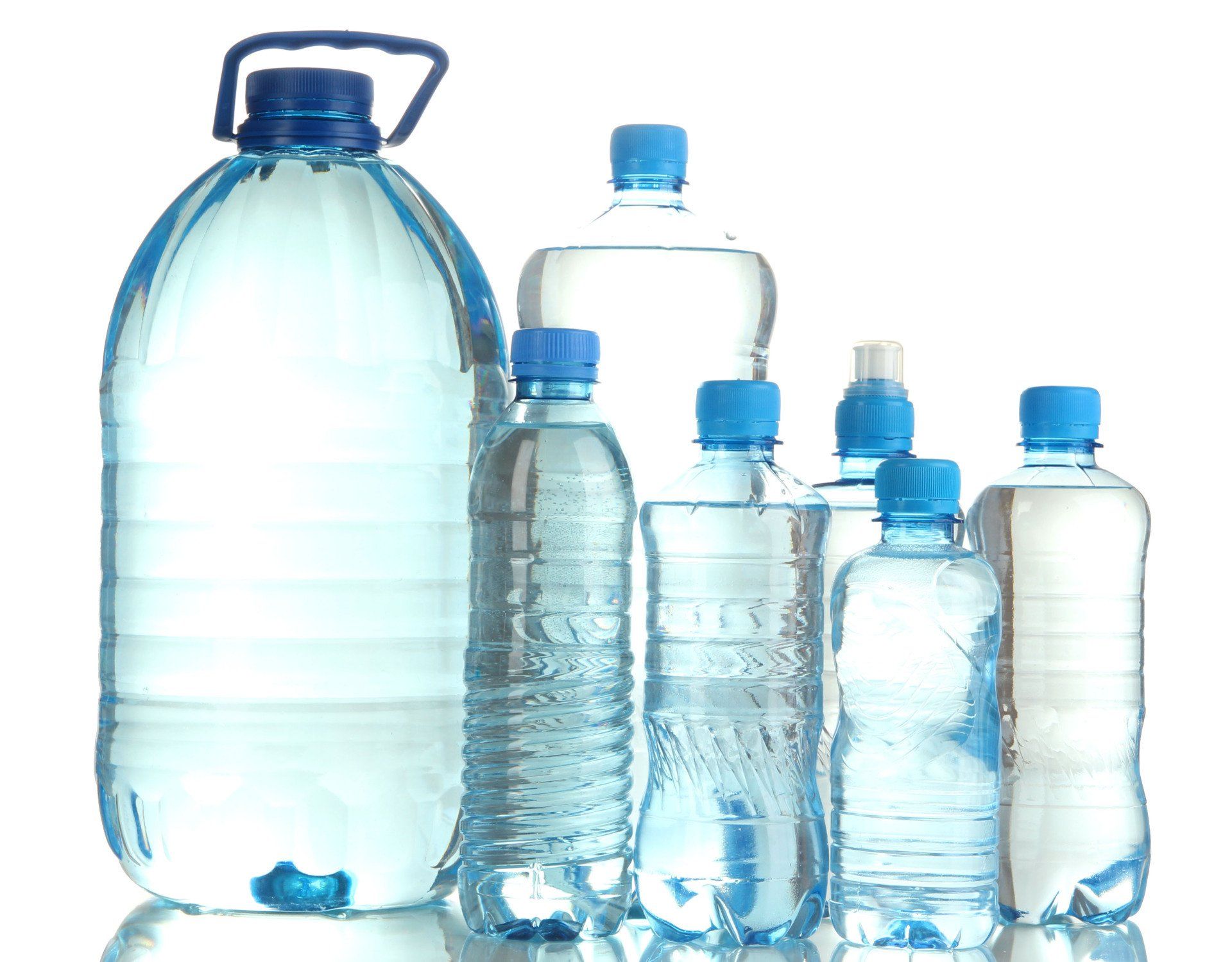
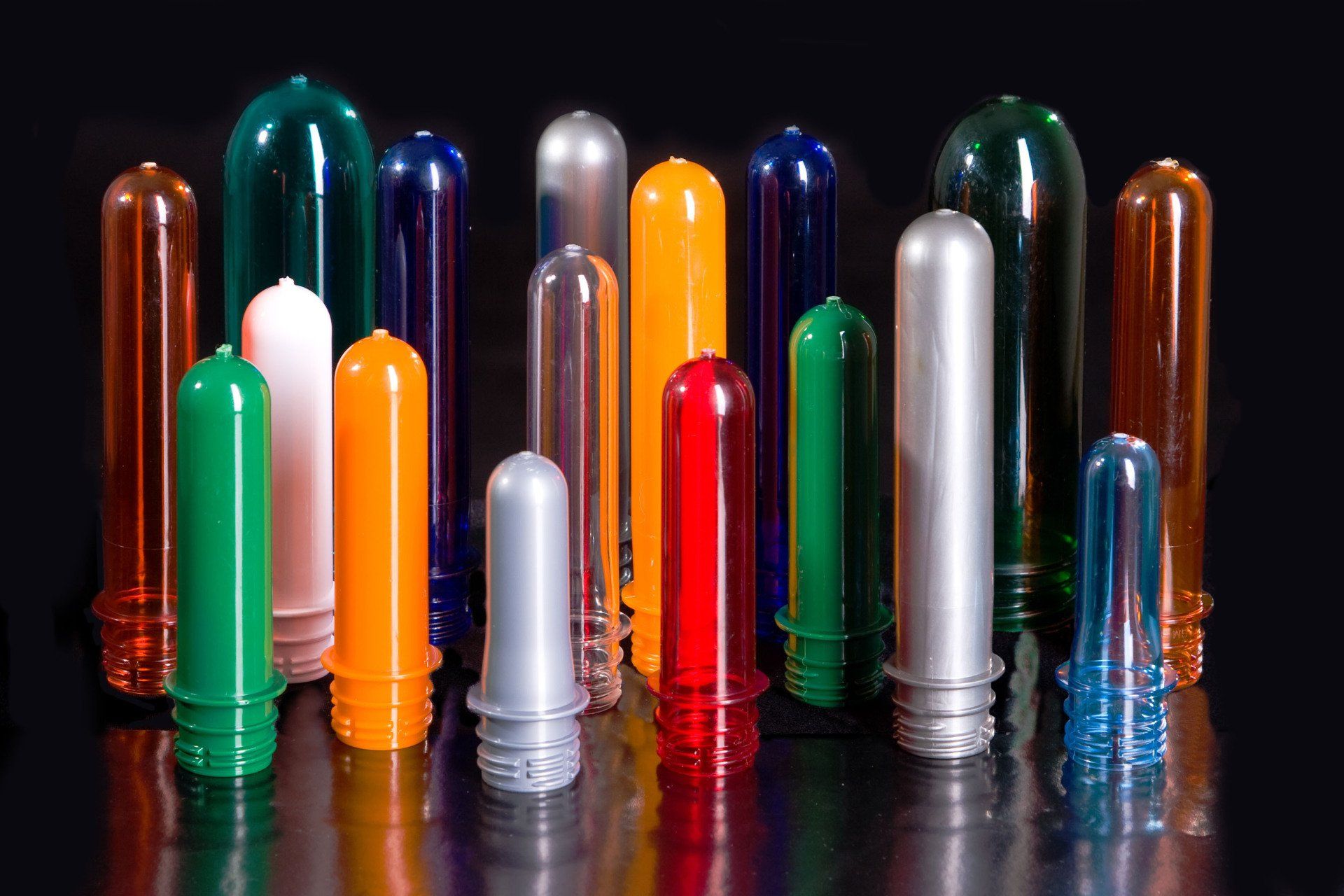
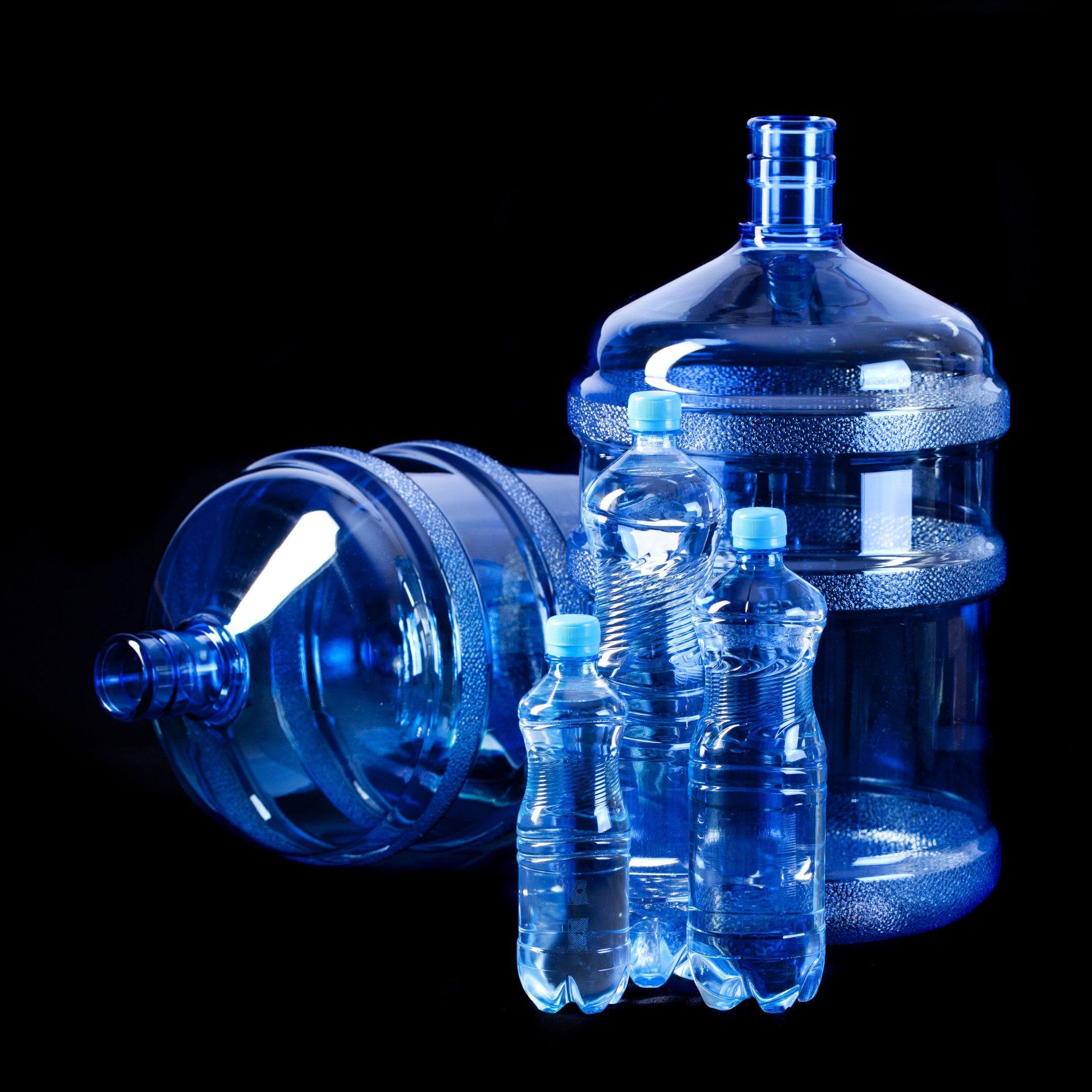
Recyclable water bottles play an important role in the beverage packaging industry, and PET preforms are essential to their production. These small, tube-shaped plastic pieces serve as the starting point for creating finished bottles. Made from polyethylene terephthalate (PET), preforms provide the material and structural foundation needed for bottle manufacturing. Their carefully engineered designs help manufacturers produce consistent packaging that meets specific product requirements.
Understanding how PET preforms are designed and manufactured helps businesses make informed packaging decisions. Factors such as weight, wall thickness, neck finish, and material selection affect the performance of the finished bottle. Working with a manufacturer that offers engineering support and custom solutions can help businesses address these requirements. Selecting the right PET preform for water bottles is an important step in developing reliable packaging.
Exploring PET Material Properties
Polyethylene terephthalate, commonly known as PET, is a thermoplastic polymer widely used in packaging. Its lightweight construction, strength, and clarity make it suitable for many food and beverage applications. PET can also be molded into different shapes and dimensions, giving manufacturers flexibility when developing packaging for specific products. These characteristics make it a common material choice for businesses seeking durable packaging.
PET is also compatible with recycling programs. Recycled PET, often called rPET, can be incorporated into certain packaging applications depending on material requirements and applicable standards. This gives businesses another option when evaluating packaging materials and environmental goals. Selecting appropriate materials and preform designs helps manufacturers balance packaging performance with responsible material use.
Developing Custom PET Preforms
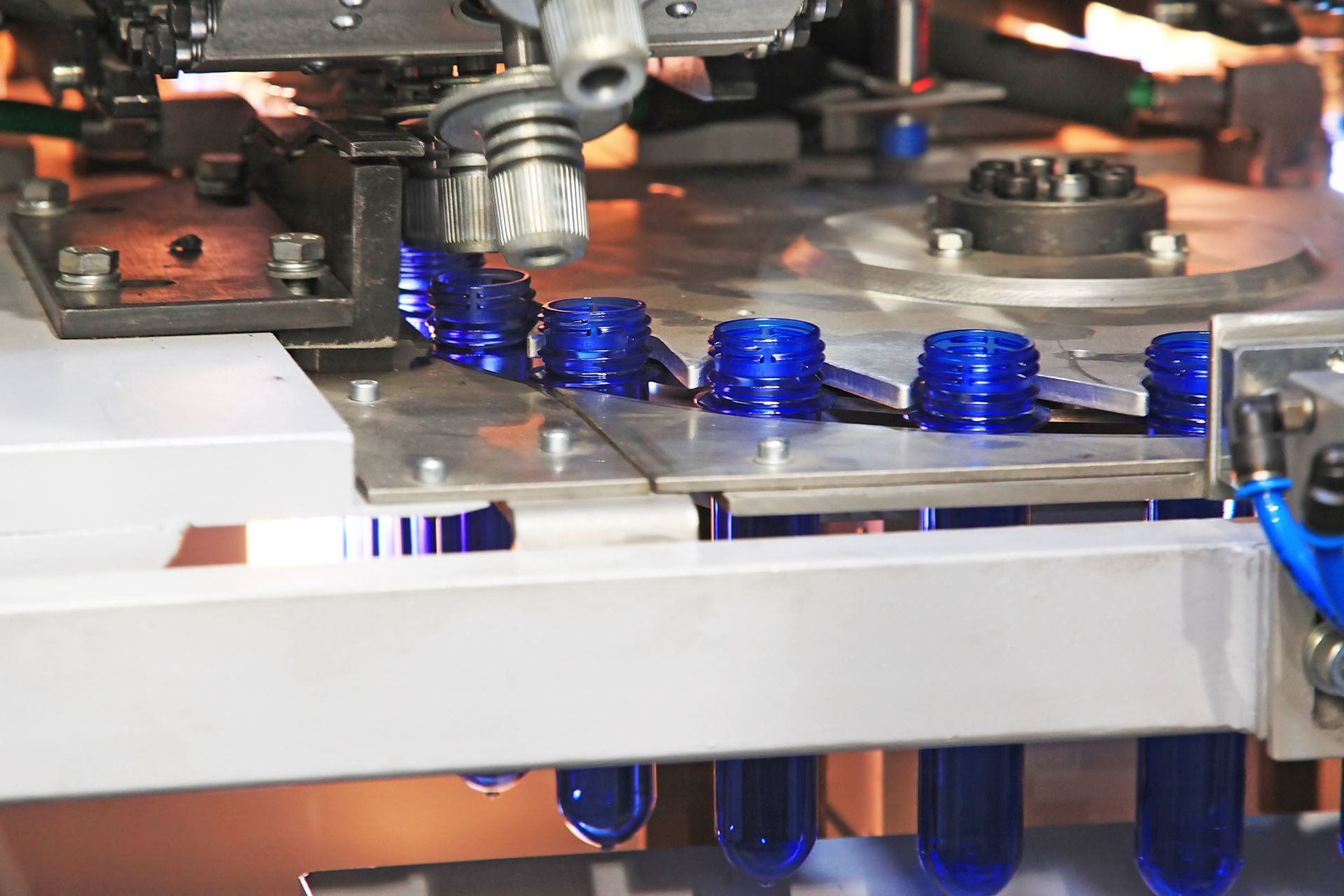
PET preform production generally begins with injection molding. During this process, PET material is heated until molten and injected into a specially designed mold. Once the material cools and solidifies, it takes the shape of a preform. Precision during this stage is important because the preform's dimensions and material distribution influence the finished bottle's characteristics.
Design requirements vary depending on the intended application. Neck finishes, dimensions, weight, and wall thickness must align with the bottle design and its intended use. Businesses that cannot find a suitable standard option may benefit from custom design and engineering support. A custom PET preform for water bottles can be developed around specific packaging requirements rather than relying on a standard design.
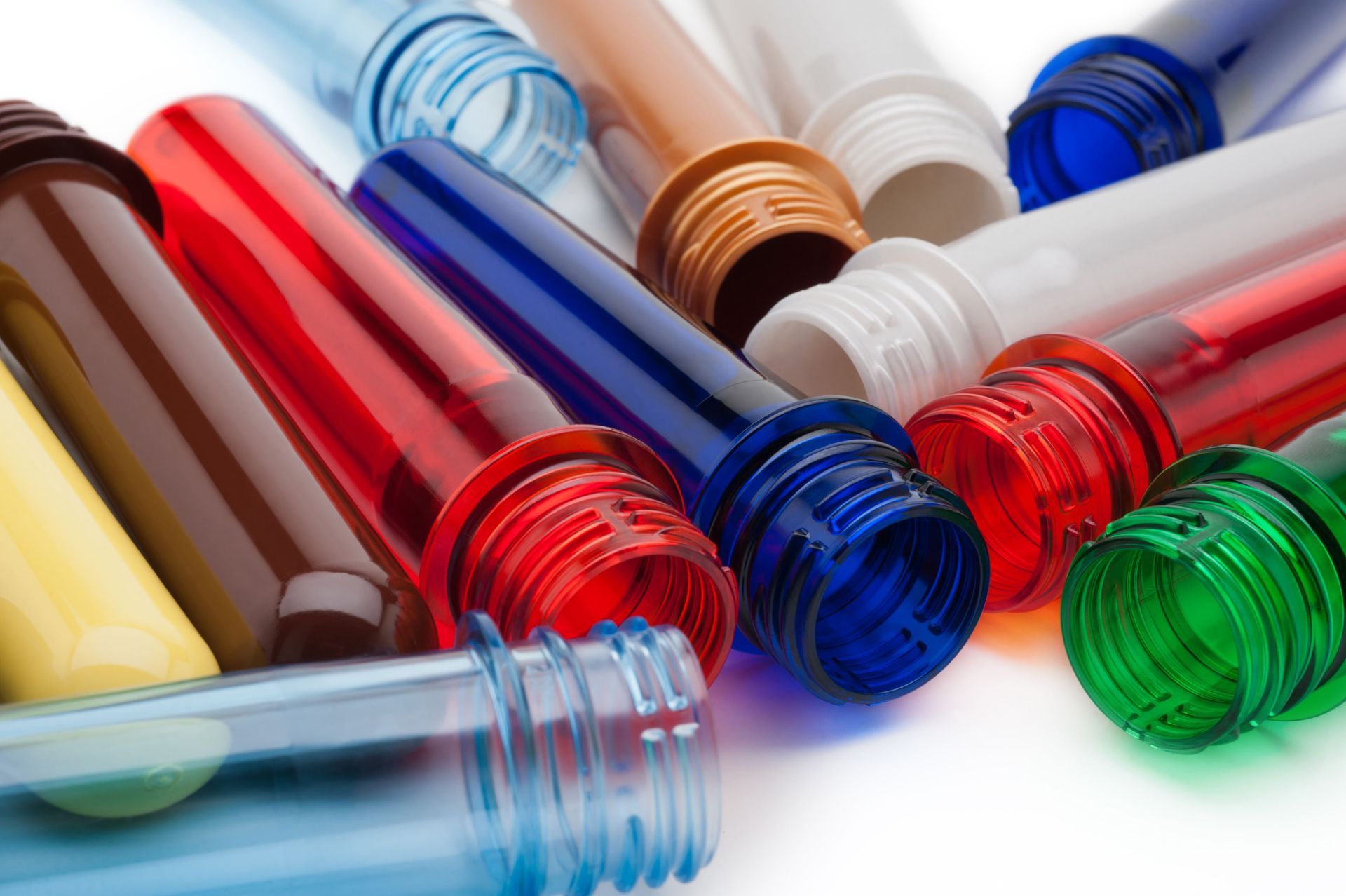
Manufacturing options can also include custom colors, additives, wide-mouth designs, specialty finishes, and PCR/rPET materials. These options allow businesses to consider different packaging requirements when developing a preform. Engineering and prototyping support can help evaluate designs before full production begins.
Transforming Preforms Into Bottles
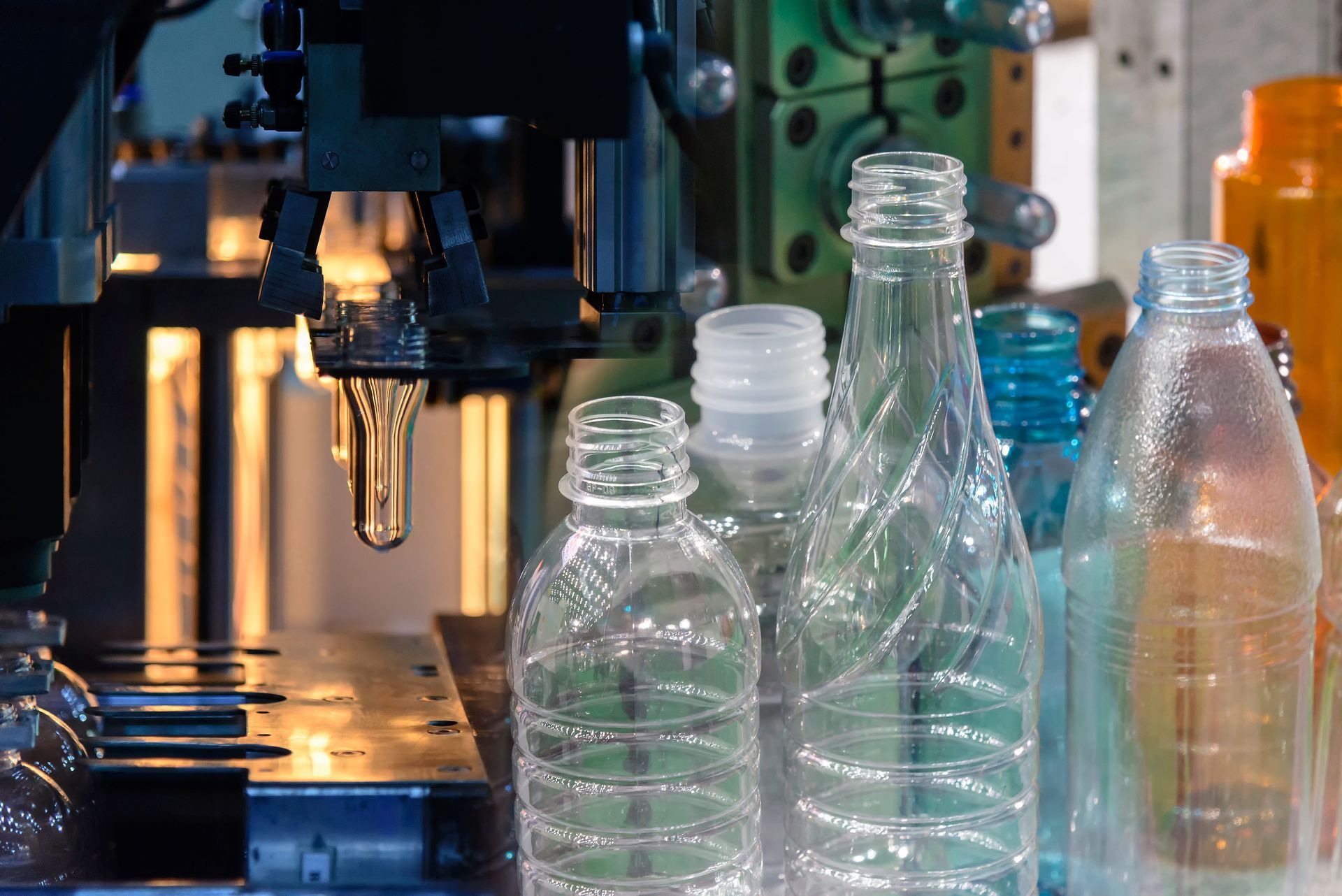
After injection molding, PET preforms are typically transported to a separate stage of bottle manufacturing. Blow molding transforms each preform into its finished bottle shape. First, the preform is heated until the PET becomes flexible enough to expand. It is then placed inside a bottle-shaped mold, where high-pressure air stretches the material against the mold walls.
The resulting bottle takes on the shape and dimensions established by the mold. The original preform design influences important characteristics, including the neck finish, material distribution, and overall dimensions. For this reason, preform engineering plays an important role in helping bottlers achieve consistent results. Businesses developing new packaging should consider how the preform will perform throughout manufacturing and filling.
Choosing the appropriate PET preform for water bottles involves evaluating more than appearance. Factors such as closure compatibility, filling requirements, transportation, and consumer use can influence design decisions. Engineering support helps businesses identify potential issues before larger production runs. Careful planning can also reduce the need for costly design changes.
Maintaining Manufacturing Quality
Quality control is an important part of PET preform manufacturing because inconsistencies can affect the finished bottle. Manufacturers monitor factors such as dimensions, weight, material distribution, and appearance throughout production. Inspection equipment and established manufacturing procedures help identify variations and maintain consistent results. These measures are especially important when producing large quantities for ongoing packaging operations.
Precision also matters when developing custom preforms. Differences in neck dimensions, wall thickness, or material distribution can influence how a preform performs during blow molding and filling. Engineering teams evaluate these characteristics to help ensure designs meet customer specifications. Addressing performance requirements during development can help businesses reduce production issues.
According to industry figures, Americans recycle more than 1 million single-serve PET water bottles every hour. This activity highlights the widespread use of PET packaging and the importance of responsible material management. Manufacturers can support these efforts by considering material efficiency, product design, and recyclable material options when developing preforms.
Supporting Sustainable Packaging
PET recyclability is an important consideration for businesses evaluating packaging choices. Recycled PET can be processed for use in new products, helping reduce demand for virgin plastic in suitable applications. However, recycling outcomes depend on collection systems, sorting, processing capabilities, and product requirements. Manufacturers can support sustainability objectives by offering material options that align with customer needs.
Preform design can also influence how efficiently materials are used. Appropriate weight distribution and wall thickness help manufacturers develop packaging that meets performance requirements without unnecessary material use. Custom engineering provides an opportunity to evaluate these details before production begins. Businesses seeking a recyclable PET preform for water bottles can discuss available material options and design requirements with their manufacturing partner.
PCR/rPET options provide additional flexibility for businesses interested in incorporating recycled materials into their packaging. Custom colors and additives can also help address specific appearance and performance requirements. These options should be evaluated alongside the intended application and applicable product standards. Selecting the right combination of materials and design features supports practical packaging development.
Expanding Production Capabilities
Packaging requirements can change as businesses introduce new products or experience fluctuations in demand. Some projects require limited production runs for development, while others involve larger quantities for established product lines. Flexible manufacturing capabilities can accommodate different project requirements. This flexibility is valuable for businesses developing custom packaging while planning for future growth.
Access to design, engineering, prototyping, tooling, and manufacturing support can also simplify the development process. Coordinating these services helps businesses address design questions and establish production specifications. Customization options, including colors, additives, and specialty finishes, provide additional opportunities to meet packaging needs. These capabilities support projects across beverage, food, household, automotive, and personal care industries.
Planning Future Packaging Solutions
Advancements in manufacturing equipment, automation, and material science continue to influence the PET packaging industry. Improved production controls help manufacturers maintain consistent dimensions and material distribution while managing production demands. Developments in recycled materials also provide additional options for businesses interested in responsible packaging. These improvements make engineering and material selection important parts of packaging development.
Businesses planning new packaging projects should evaluate product requirements, preferred materials, production quantities, and design specifications before selecting a preform. They should also consider how the packaging will perform during bottle manufacturing, filling, transportation, and storage. An experienced manufacturing partner can help assess these factors and recommend appropriate design adjustments. A well-developed PET preform for water bottles can support consistent manufacturing and meet the practical needs of the finished product.
Developing recyclable water bottle packaging involves several important decisions, from selecting the appropriate PET material to establishing the preform's dimensions and design. Each stage contributes to the performance and consistency of the finished product. Working with a manufacturer that offers custom engineering and flexible production options can help businesses address these requirements. Careful planning also supports efficient product development and reduces unnecessary production adjustments.
Whether you need a standard design or a custom solution, Preform Solutions, Inc can help you explore PET preform manufacturing options for your packaging project. Contact Preform Solutions, Inc today to discuss your design requirements and learn more about its manufacturing services.
Share On: