Choosing the Right Plastic Bottle Preform for Carbonated Beverage Packaging
The selection of the right plastic bottle preform is crucial for the packaging of carbonated beverages. This choice impacts not only the durability and performance of the packaging but also factors like material costs and sustainability. With an increasing demand for beverages that retain their quality over time, choosing appropriate preforms becomes a strategic decision for manufacturers. The preform's ability to withstand internal pressures of carbonation, maintain the taste and integrity of the beverage, and contribute to environmental sustainability is becoming increasingly vital. As the industry evolves, so must the considerations in selecting preforms to meet both current and future demands.
Understanding Plastic Bottle Preforms
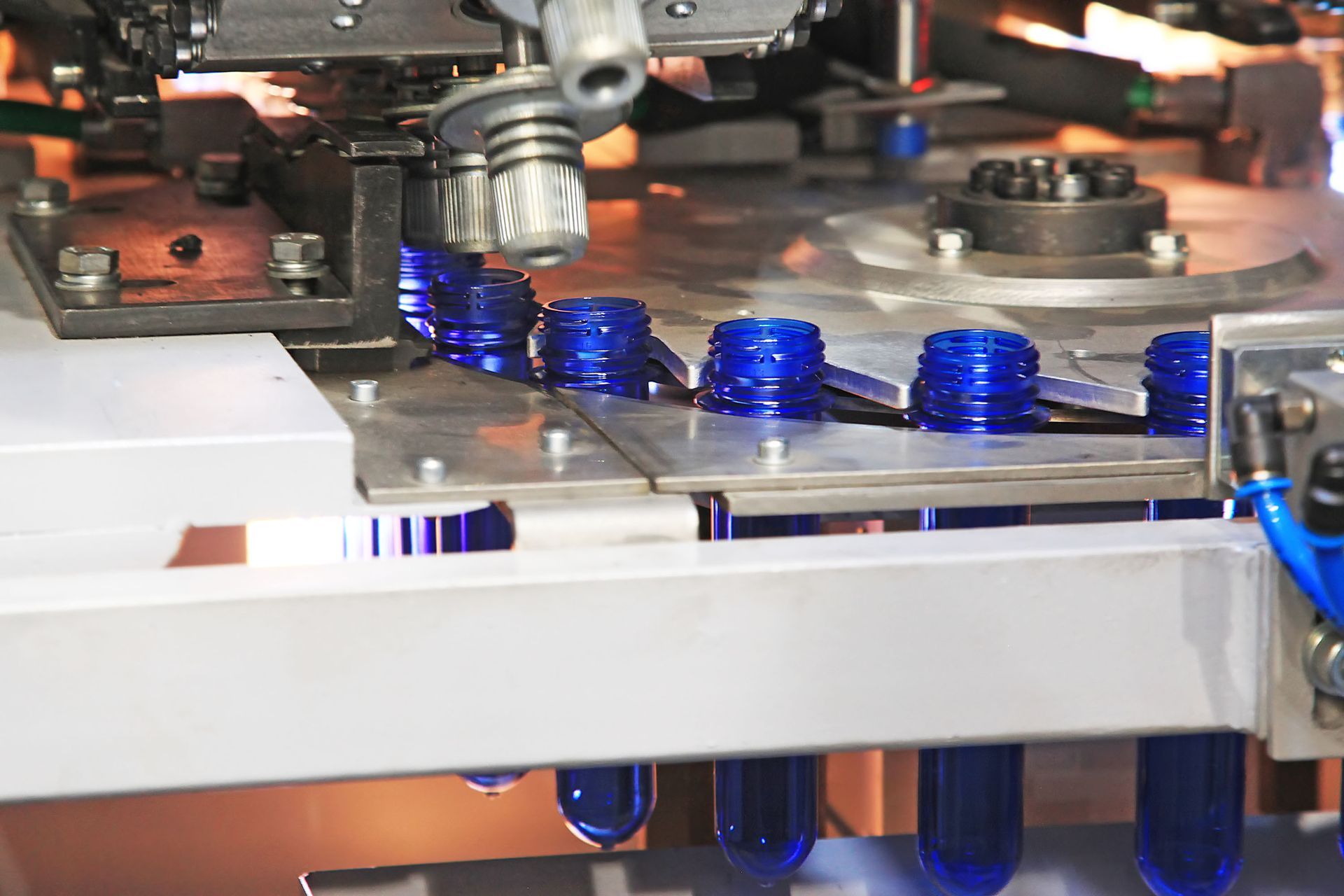
Plastic bottle preforms are small, test-tube-like products that are crafted to be expanded into full-sized bottles. They serve a fundamental role in the packaging of beverages, acting as the precursor form that is later blown into a bottle. These preforms are vital for maintaining product integrity throughout production and distribution. By controlling the preform's material and design, manufacturers can ensure their product withstands the rigors of transport and storage. Understanding this initial step is crucial for any business in the beverage industry aiming for efficiency and reliability.
Polyethylene terephthalate (PET) is one of the most common materials used in the production of plastic bottle preforms. Its popularity stems from its lightweight nature, cost effectiveness, and excellent barrier properties against gases and moisture. Other polymers, such as polycarbonate and polyethylene, are also employed for specific characteristics they impart to the finished product. However, PET's ability to be recycled plays a significant role in its widespread use, aligning with increasing consumer and regulatory demand for more sustainable practices. The choice of material ultimately depends on the specific requirements of the bottled product, including its shelf life and environmental impact.
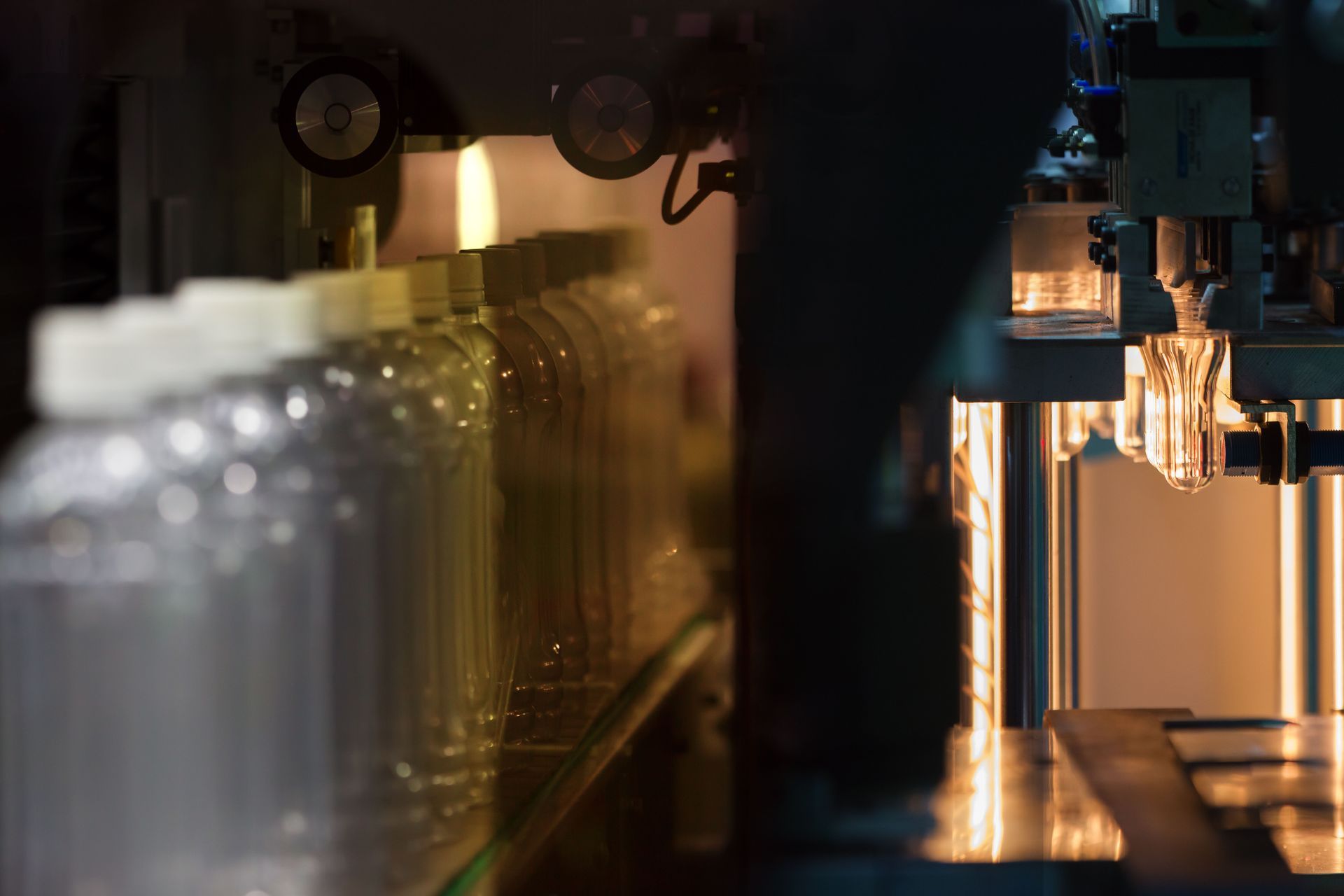
The manufacturing process of plastic bottle preforms involves technical precision through injection molding. In this process, the chosen polymer is heated to a liquid state and then injected into a mold to form the preform. Once cooled, these preforms are removed from the mold and prepared for the next stage of their transformation into bottles. This method ensures consistency in preform dimensions, which is crucial in achieving uniformity in the final product. This consistency is imperative for maintaining efficiency in the bottling line and ensuring that each bottle meets the same quality standards.
The size and shape of a preform directly influence the final dimensions and ergonomic properties of the bottle. A larger preform will result in a bottle with a larger volume and potentially thicker walls, affecting both its aesthetic and structural qualities. This has a significant impact on how much pressure a bottle can withstand, a crucial factor for carbonated beverages that exert internal pressure. Additionally, the ergonomic design imparted by the preform's shape can enhance the consumer's experience by making the bottle easier to hold and pour. Manufacturers must carefully consider these aspects to produce bottles that not only function well but also appeal to consumers.
Considering Materials for Carbonated Beverages
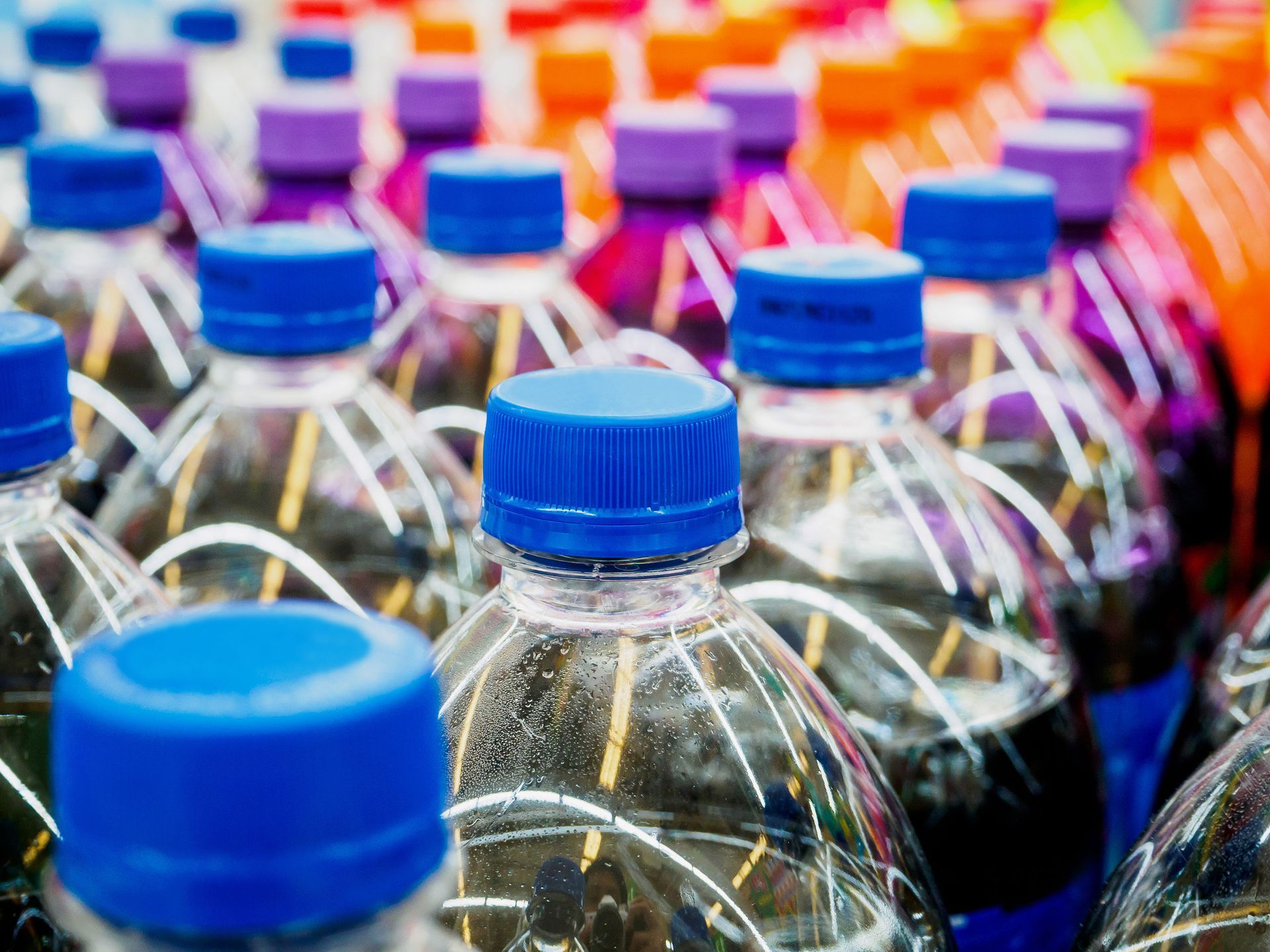
Carbonated beverages need packaging that can withstand high internal pressures caused by carbonation. Materials like PET are selected for their strength and durability, essential for maintaining bottle integrity under pressure. The material's ability to absorb and distribute pressure evenly is critical to prevent deformation or rupture. This requirement is a primary reason why material choice significantly impacts safety and product quality. By selecting preforms made from pressure-resistant polymers, manufacturers protect their beverages and provide safe, reliable packaging options for consumers.
Effective barrier properties are crucial for retaining carbonation and extending the shelf life of beverages. PET offers excellent resistance to gas transmission, making it an ideal choice for carbonated drinks. By preventing carbon dioxide from escaping and oxygen from entering, PET preforms help maintain the beverage's taste and effervescence. The effectiveness of a material's barrier properties can directly influence a beverage's market success, as consumers equate freshness with quality. Investing in high-barrier materials can therefore be a strategic advantage in a competitive market.
The material used in bottle preforms can affect the taste and quality of the beverage it contains. Certain polymers can impart off-flavors or odors to the liquid if they interact in undesirable ways. PET, due to its inert nature, does not alter the taste of beverages it encases, preserving the intended flavor profile. This is critical for beverages like craft sodas and premium waters, where a distinctive taste is a selling point. Ensuring material compatibility with beverage type is, therefore, not only a matter of product safety but also of maintaining brand integrity and consumer satisfaction.
Selecting the right material for preforms involves balancing cost with performance demands. While premium materials offer advanced features like improved barrier properties and increased strength, they also come at a higher cost. However, cost-efficiency does not solely rely on the initial price of materials but also on factors like durability and recyclability, which contribute to long-term savings. According to Market Data Forecast, the PET preforms market is predicted to reach over $23 billion USD by 2026, highlighting the economic potential and importance of strategic material selection. By analyzing cost versus benefit, manufacturers can optimize their material choices to meet financial and performance goals.
Designing for Optimal Performance
The shape and ergonomics of a bottle are major factors in consumer safety and product appeal. A well-designed bottle should be easy to handle, pour, and store, improving the overall user experience. Ergonomic considerations can significantly influence consumer preference and brand loyalty. The design process should incorporate customer feedback to identify features that enhance usability and attractiveness. Manufacturers who prioritize shape and ergonomics in their plastic bottle preform design can differentiate their products in a crowded market, offering superior packaging solutions that meet consumer needs.
The surface finish and detailing of a bottle are not only aesthetic concerns but also functional ones. A smooth finish can enhance brand perception and make a bottle more visually appealing on the shelf, attracting consumer attention. Detailed designs, such as embossed logos or textured grips, can reinforce brand identity and provide additional consumer interaction benefits. These features are achieved during the blow molding phase, where preforms are expanded into their final shape. Prioritizing surface finish and detailing in the design process helps ensure that the bottle not only functions well but also strengthens brand recognition and consumer engagement.
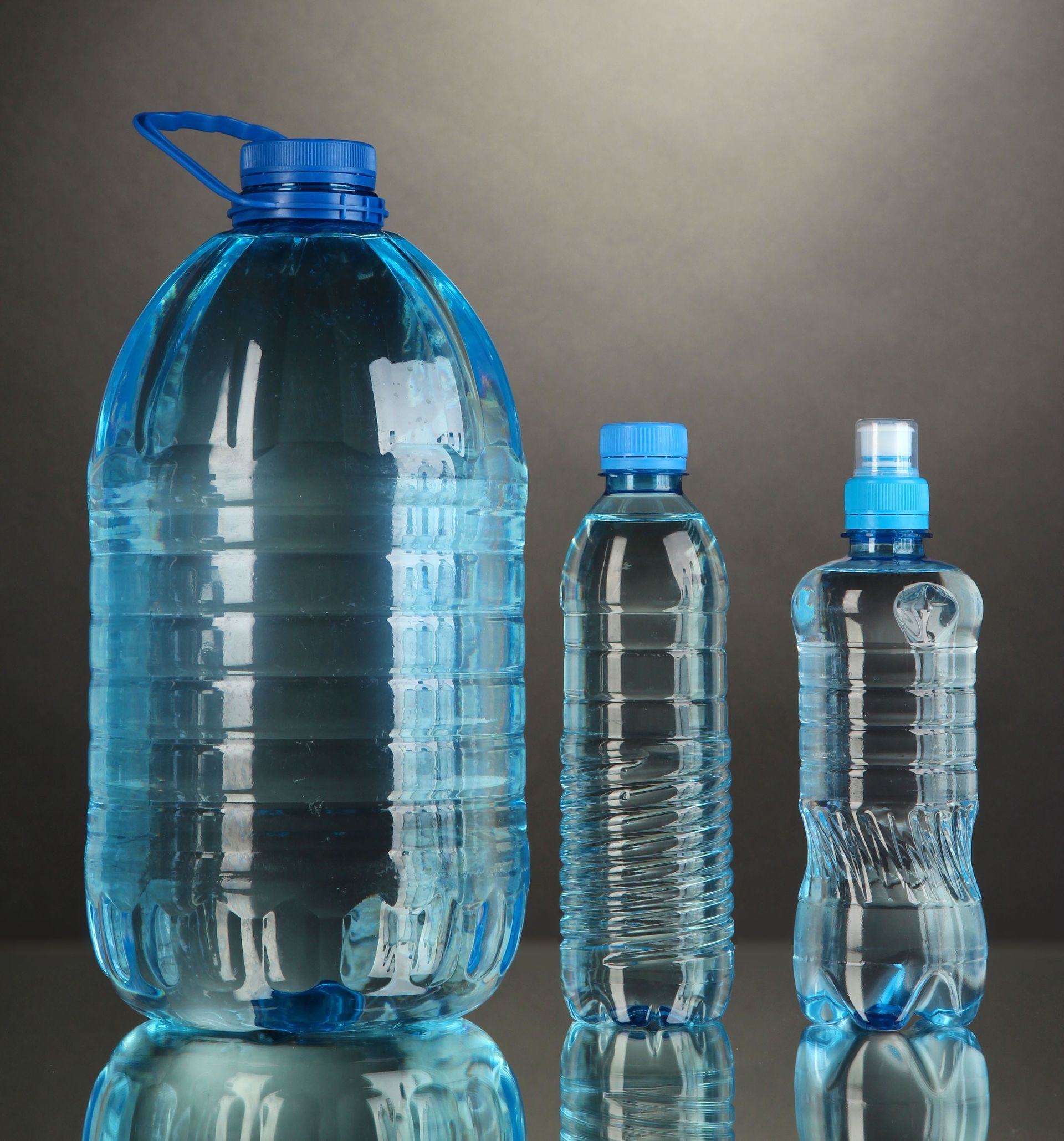
The choices of color and transparency in plastic bottle preforms have significant implications for product visibility and marketing. Transparent bottles highlight the beverage inside, showcasing clarity and quality, which can be crucial for consumer appeal. Different colors can enhance brand recognition or convey product attributes, such as blue for water or green for eco-friendly products. The choice of color also affects UV protection, with darker shades providing better protection for light-sensitive beverages. Balancing these elements is essential, as they contribute to both the protective quality of the bottle and its marketability.
Lightweighting involves reducing the material used in bottle production without compromising its performance and durability. This approach can lead to cost savings in material expenditure and improve environmental sustainability due to reduced resource usage and lower transportation emissions. Advances in material sciences are enabling manufacturers to produce lighter, yet equally robust, preform designs. These lightweight bottles also appeal to consumers looking for easier-to-handle products. Combining lightweighting strategies with innovative design helps manufacturers create competitive products that meet modern efficiency and sustainability standards.
Selecting the right
plastic bottle preform for carbonated beverage packaging involves a complex interplay of factors, including material properties, cost-efficiency, design, and adherence to industry standards. As the market continues to expand and evolve, the importance of strategic preform selection cannot be overstated. Future innovations in biodegradable materials, smart packaging, and material science hold promise for further advancements in packaging technology. As manufacturers continue to navigate challenges in the supply chain and adapt to consumer preferences, investing in high-quality and sustainable packaging solutions continues to be paramount. If you need guidance choosing the right preform for your product, the experts at Preform Solutions, Inc will be happy to assist you.

Share On: