Sustainability in PET Preform Manufacturing: Recycled Content and Eco-Friendly Solutions
Sustainability has become a defining priority in modern manufacturing, especially within the plastics industry. Companies are now expected to balance performance, cost-efficiency, and environmental responsibility without compromise. In the world of packaging, PET preform production is undergoing a significant transformation driven by recycled content and eco-friendly innovation. This shift is not only meeting regulatory demands, but also aligning with consumer expectations for greener solutions.
Understanding Sustainability in PET Preform Manufacturing
Sustainability in PET preform manufacturing refers to reducing environmental impact across the entire production life cycle. This includes raw material sourcing, energy consumption, waste reduction, and recyclability of the final product.
Manufacturers are increasingly focused on:
- Lowering carbon emissions during production
- Incorporating recycled materials into preforms
- Designing products that are easier to recycle
- Reducing overall material usage without sacrificing strength
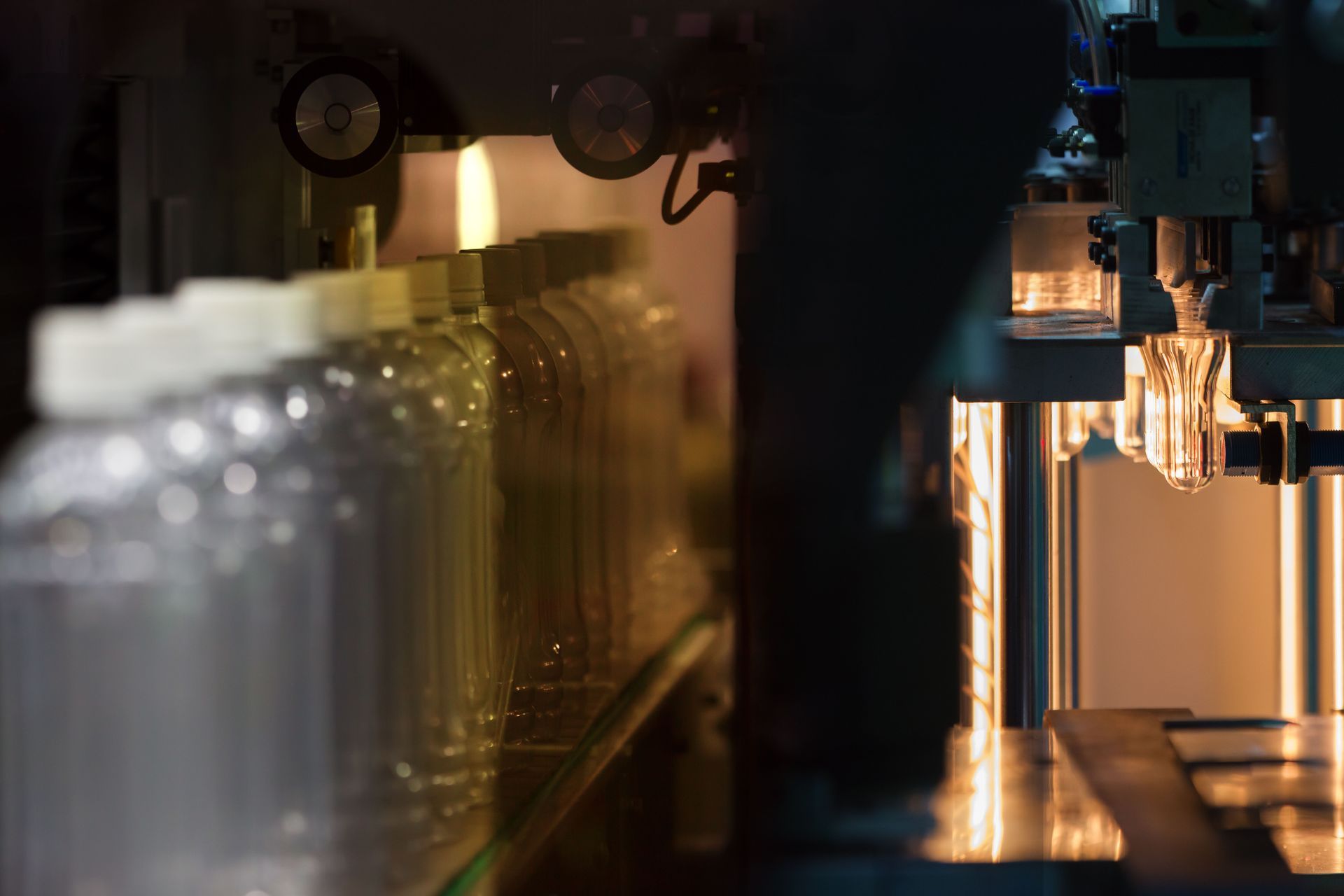
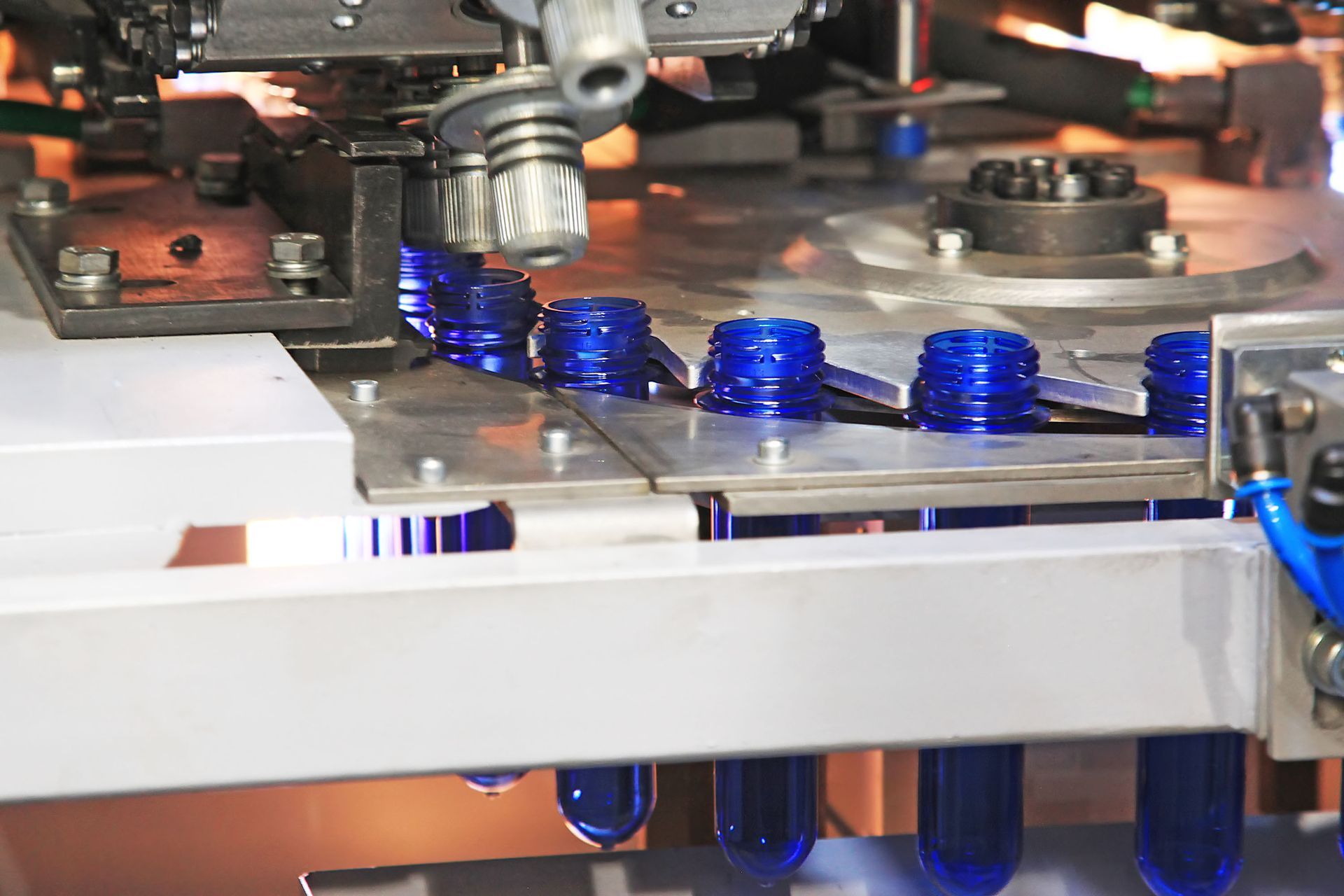
A PET preform, which is the intermediate product used to create plastic bottles and containers, plays a crucial role in packaging industries such as beverages, food, and personal care. By improving how these preforms are produced, manufacturers can make a measurable impact on global sustainability goals.
Exploring the Role of Recycled PET Materials
Recycled PET, commonly referred to as rPET, is one of the most important advancements in sustainable packaging. It involves reclaiming used PET products, processing them, and reintroducing them into manufacturing.
According to Statista, PET bottles make up about 27% of all recycled plastic bottles, highlighting their significant presence in recycling streams. This statistic underscores the opportunity for manufacturers to reuse existing materials rather than relying solely on virgin plastic.
Key benefits of using rPET include:
- Reduced reliance on fossil fuels
- Lower greenhouse gas emissions
- Decreased landfill waste
- Support for circular economy practices
Integrating recycled content into PET preform production requires precise engineering and quality control. Manufacturers must ensure that the final product maintains clarity, durability, and safety standards, especially for food-grade applications.
Improving Energy Efficiency in Manufacturing Processes
Energy consumption is a major contributor to the environmental footprint of plastic manufacturing. Modern PET preform facilities are adopting advanced technologies to improve efficiency and reduce energy use.
Some of the most effective strategies include:
- High-Efficiency Injection Molding Machines: These machines consume less energy while maintaining high output levels.
- Optimized Heating Systems: Improved temperature control reduces energy waste during the molding process.
- Automation and Smart Monitoring: Real-time data helps identify inefficiencies and optimize production cycles.
- Renewable Energy Integration: Some facilities are incorporating solar or wind energy to power operations.
By focusing on energy efficiency, manufacturers can lower operational costs while also reducing their environmental impact.
Reducing Material Waste Through Precision Engineering
Material waste has historically been a challenge in plastic manufacturing. However, advancements in engineering and design have significantly improved efficiency in PET preform production.
Manufacturers are now using:
- Lightweighting techniques to reduce material usage
- Precision molds to minimize defects and rejects
- Advanced simulation software to optimize preform design
Lightweighting, in particular, has become a key sustainability strategy. By reducing the amount of plastic used in each PET preform, companies can decrease raw material consumption without compromising structural integrity.
For example, even a small reduction in material per unit can lead to substantial savings when scaled across millions of preforms. This approach benefits both the environment and the bottom line.
Enhancing Recycling and Circular Economy Practices
A circular economy aims to keep materials in use for as long as possible, extracting maximum value before recycling and regenerating products at the end of their life cycle. PET is especially well-suited for this model due to its recyclability.
To support circular practices, manufacturers are:
- Designing preforms that are easier to recycle
- Using mono-material structures to simplify processing
- Partnering with recycling facilities to ensure material recovery
Closed-loop recycling systems are also gaining traction. In these systems, used PET bottles are collected, processed, and converted back into new PET preforms, creating a continuous cycle of reuse.
This approach reduces waste, conserves resources, and minimizes environmental impact, making it a cornerstone of sustainable manufacturing.
Implementing Eco-Friendly Additives and Innovations
Innovation is driving the next generation of sustainable PET preform solutions. Manufacturers are exploring new materials and additives that enhance environmental performance.
Some notable developments include:
- Bio-Based PET: Derived partially from renewable resources such as plant materials
- Degradable Additives: Designed to accelerate breakdown under specific conditions
- Enhanced Barrier Technologies: Extend product shelf life, reducing food waste
While these innovations show promise, they must be carefully evaluated to ensure they do not interfere with recyclability or introduce unintended environmental consequences.
Balancing innovation with practicality is essential for long-term sustainability success.
Maintaining Quality and Compliance Standards
Sustainability efforts must never compromise product quality or safety. PET preforms used in food and beverage applications must meet strict regulatory standards.
Manufacturers must ensure:
- Consistent material quality, even with recycled content
- Compliance with FDA and international safety regulations
- Traceability throughout the supply chain
Advanced testing methods and quality assurance protocols are critical in maintaining these standards. By combining sustainability with reliability, manufacturers can build trust with customers and end-users alike.
Leveraging Industry Expertise for Sustainable Solutions
Achieving sustainability in PET preform manufacturing requires expertise, innovation, and a commitment to continuous improvement. Companies like Preform Solutions, Inc bring industry knowledge and advanced capabilities to help clients navigate this evolving landscape.
Working with experienced manufacturers provides several advantages:
- Access to cutting-edge production technologies
- Expertise in integrating recycled materials
- Custom solutions tailored to specific packaging needs
- Scalable production for high-volume demands
By partnering with a knowledgeable provider, businesses can implement sustainable practices more effectively while maintaining efficiency and product performance.
Aligning Sustainability With Market Demands
Consumer preferences are shifting toward environmentally responsible products. Brands are increasingly prioritizing sustainable packaging as a key differentiator.
This trend is driving demand for:
- Recyclable and reusable packaging solutions
- Transparent sustainability reporting
- Reduced plastic usage across product lines
Manufacturers that embrace these changes are better positioned to meet market expectations and stay competitive. Sustainable PET preform production is no longer optional—it is a strategic necessity.
Additionally, regulatory pressures are increasing worldwide, with governments introducing stricter guidelines on plastic usage and recycling. Proactive adoption of sustainable practices helps companies stay ahead of these regulations.
Overcoming Challenges in Sustainable Manufacturing
While the benefits of sustainability are clear, implementing these practices is not without challenges. Manufacturers must address several obstacles, including:
- Variability in recycled material quality
- Higher initial costs for advanced technologies
- Limited recycling infrastructure in some regions
- Balancing sustainability with performance requirements
To overcome these challenges, companies are investing in research, collaboration, and process optimization. Continuous innovation is key to making sustainable manufacturing both practical and cost-effective.
Driving the Future of Eco-Friendly PET Preform Production
The future of PET preform manufacturing is rooted in sustainability. As technology continues to evolve, manufacturers will have more tools to reduce environmental impact while improving efficiency.
Emerging trends include:
- Increased use of one hundred percent recycled PET in certain applications
- Advanced sorting and recycling technologies
- Greater collaboration across the supply chain
- Digitalization of manufacturing processes for improved efficiency
These advancements will further strengthen the role of PET as a sustainable packaging material. By embracing innovation and responsible practices, the industry can continue to move toward a more sustainable future.
Sustainability in PET preform manufacturing is not just about meeting current demands—it is about shaping a better future for generations to come. Businesses that prioritize eco-friendly solutions today will be better equipped to thrive in an increasingly environmentally conscious world.
For companies looking to enhance their packaging sustainability while maintaining quality and efficiency, partnering with a trusted manufacturer is essential—contact Preform Solutions, Inc to explore innovative and eco-friendly PET preform solutions tailored to your needs.



Share On: